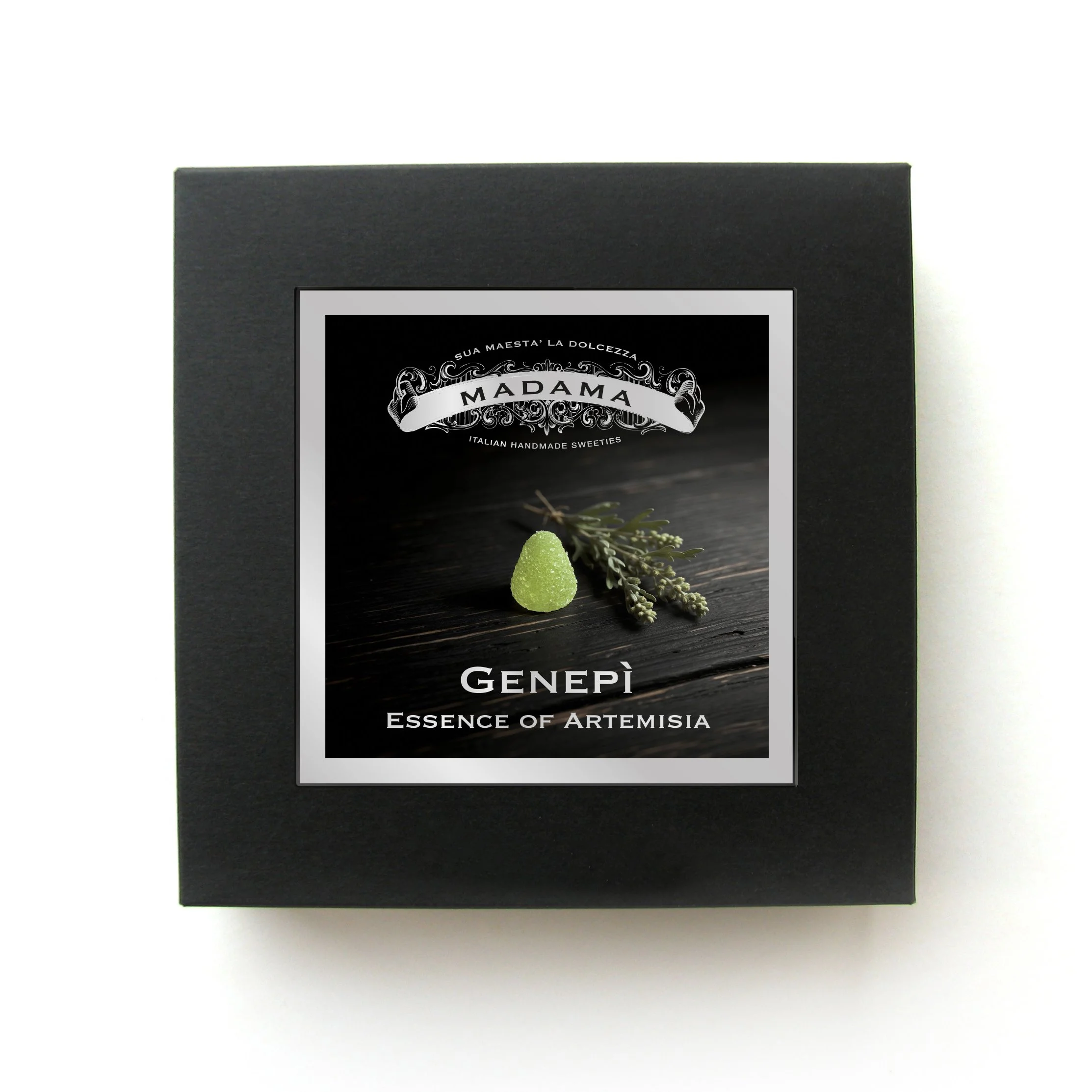
genepì
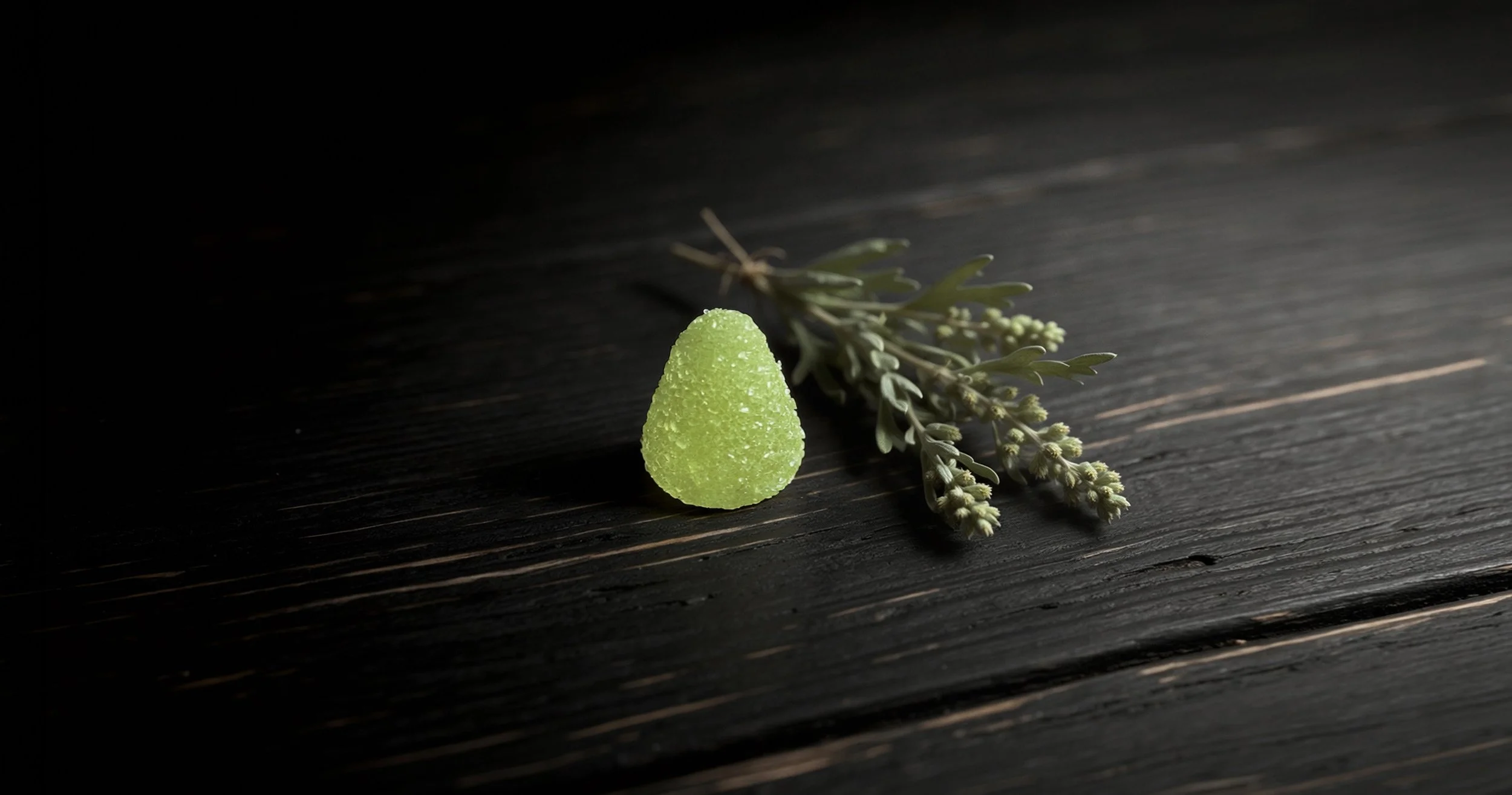
il profumo delle Alpi tra memoria, natura e tradizione
Il Genepì è molto più di un semplice liquore: è un racconto liquido delle Alpi, un simbolo identitario che attraversa secoli di tradizioni, gesti antichi e conoscenze tramandate con rispetto. Il suo profumo intenso e balsamico, capace di evocare immediatamente l’alta quota, nasce da un insieme di piante rare e preziose che crescono in ambienti estremi, dove il tempo sembra rallentare e la natura detta le proprie regole.
Le botaniche del Genepì: specie rare e preziose
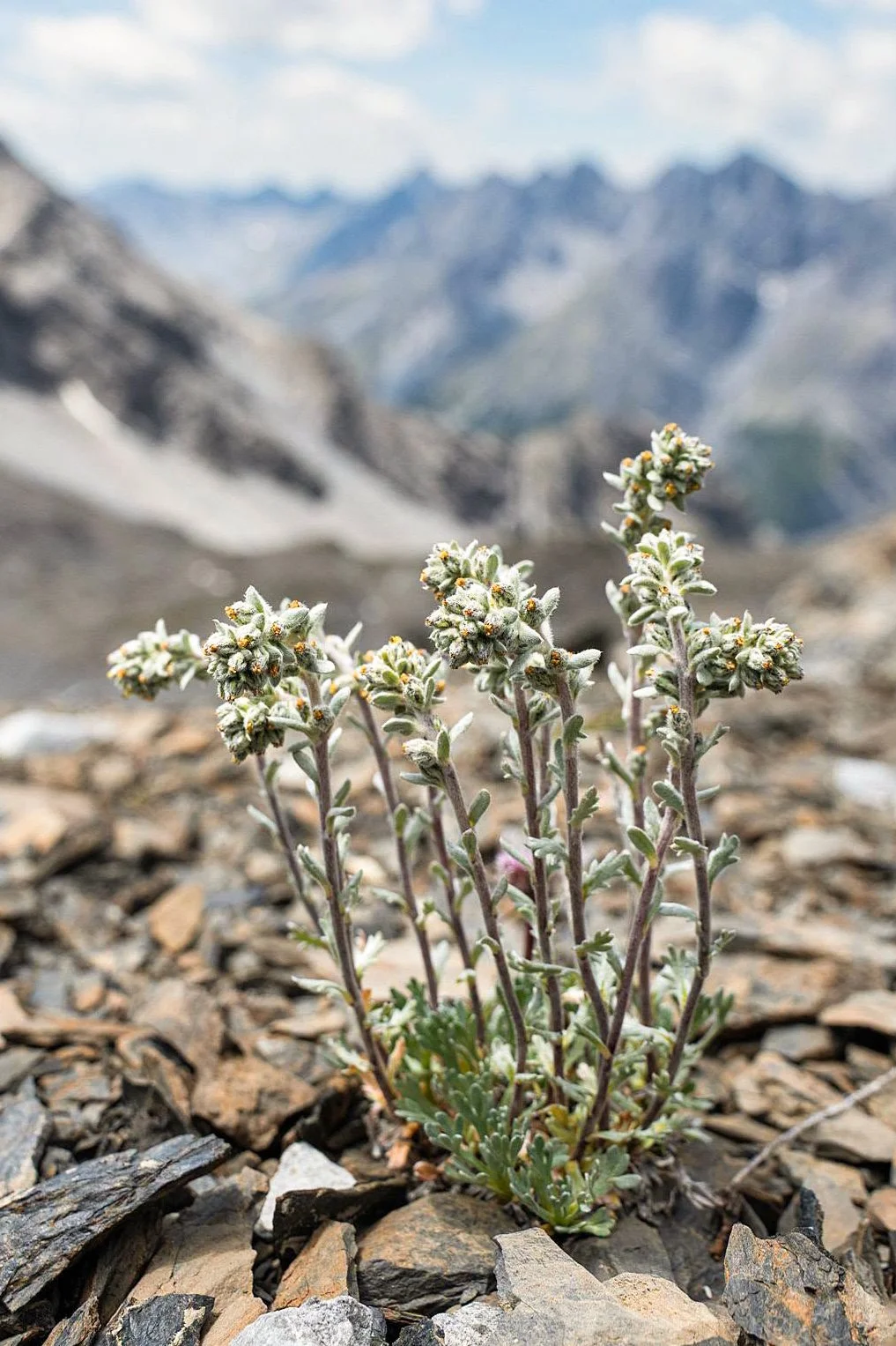
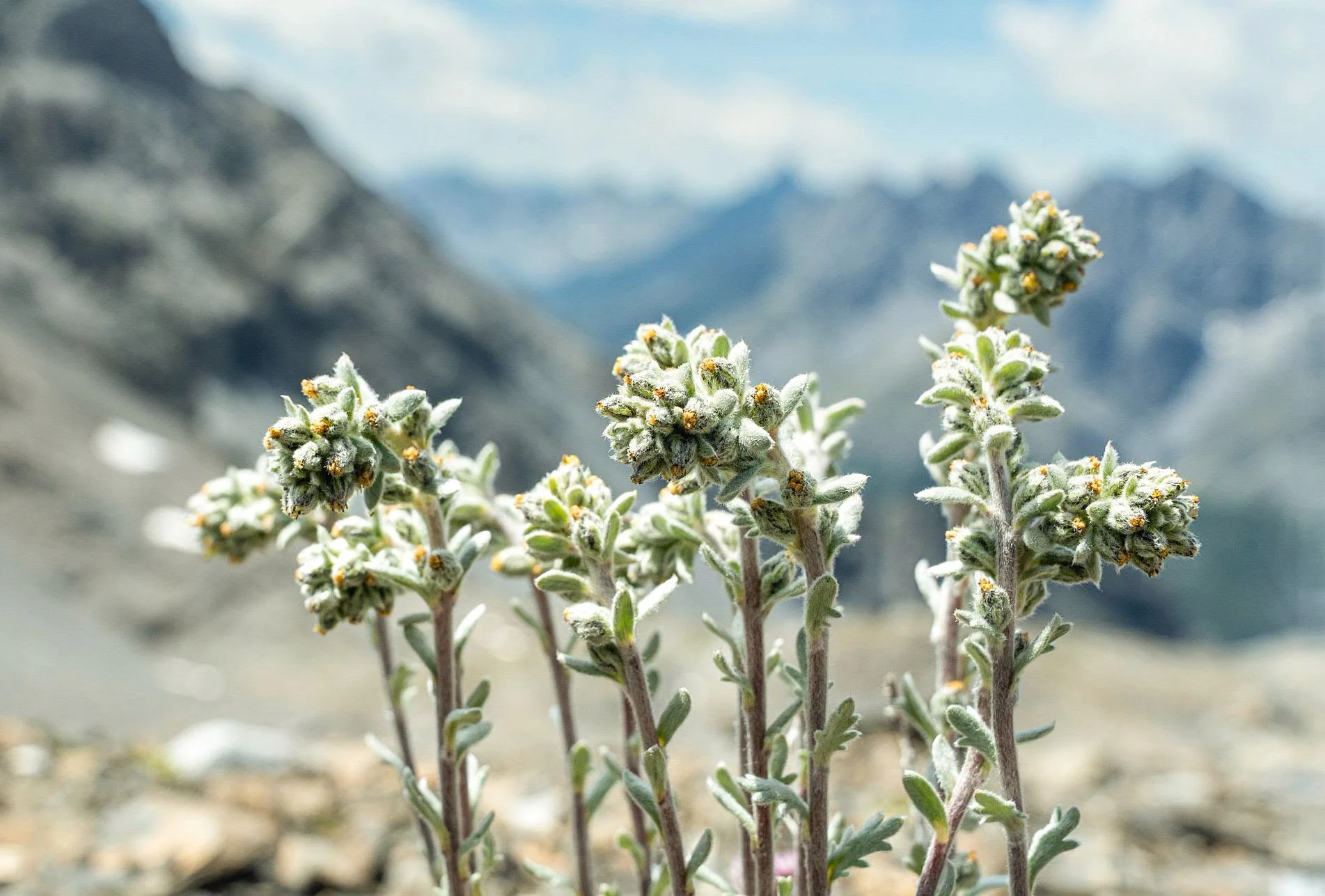
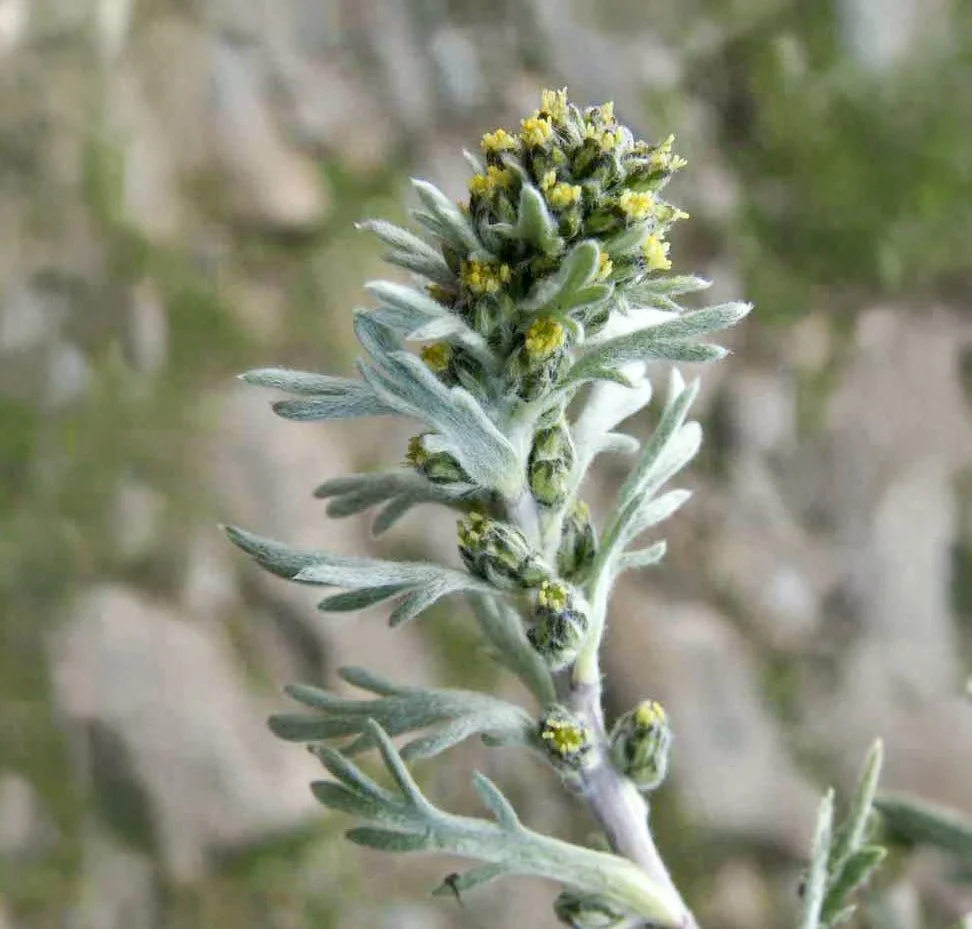
Con il nome “Genepì” si identificano diverse specie appartenenti al genere Artemisia, tra cui le più conosciute sono Artemisia genipi, Artemisia glacialis e Artemisia umbelliformis. Si tratta di piante spontanee che crescono generalmente tra i 2000 e i 3000 metri di altitudine, in terreni rocciosi e morene glaciali, dove le condizioni climatiche sono severe e la vegetazione è scarsa.
Queste erbe alpine sviluppano aromi complessi e intensi proprio grazie all’ambiente in cui crescono: escursioni termiche elevate, forte irraggiamento solare e suoli poveri contribuiscono a concentrare nelle foglie e nei fiori oli essenziali unici, che rappresentano la vera ricchezza del Genepì.
Piemonte e Valle d’Aosta: territori d’elezione
Il Piemonte e la Valle d’Aosta rappresentano il cuore storico e produttivo del Genepì. In queste regioni, la cultura di queste botaniche è profondamente radicata, non solo come tradizione gastronomica ma anche come patrimonio ambientale.
In Valle d’Aosta, il Genepì è parte integrante dell’identità locale, spesso prodotto artigianalmente con metodi tramandati di generazione in generazione. In Piemonte, soprattutto nelle valli alpine come la Val di Susa, le Valli di Lanzo e l’area del Cuneese, si ritrova una forte presenza sia di coltivazioni autorizzate sia di produttori che lavorano nel rispetto della tradizione.
Negli ultimi anni si è assistito a una crescente attenzione verso la coltivazione controllata del Genepì, una pratica che permette di preservare le specie spontanee e allo stesso tempo garantire una qualità costante e tracciabile della materia prima.
Una pianta protetta: tra tutela e responsabilità
Il fascino del Genepì è indissolubilmente legato alla sua fragilità. Proprio per questo motivo, la raccolta spontanea è oggi fortemente regolamentata — e in molti casi vietata — sia in Piemonte sia in Valle d’Aosta.
La normativa nasce dall’esigenza di proteggere un ecosistema delicato e specie botaniche che rischierebbero altrimenti di scomparire a causa di raccolte indiscriminate.
Questo scenario ha portato alla nascita di una nuova generazione di coltivatori che, con grande attenzione e competenza, hanno iniziato a coltivare il Genepì in ambienti controllati ma fedeli alle condizioni naturali. Un lavoro paziente, fatto di selezione, cura e rispetto, che restituisce una materia prima autentica senza compromettere l’equilibrio dell’ambiente alpino.
Un nuovo progetto Madama
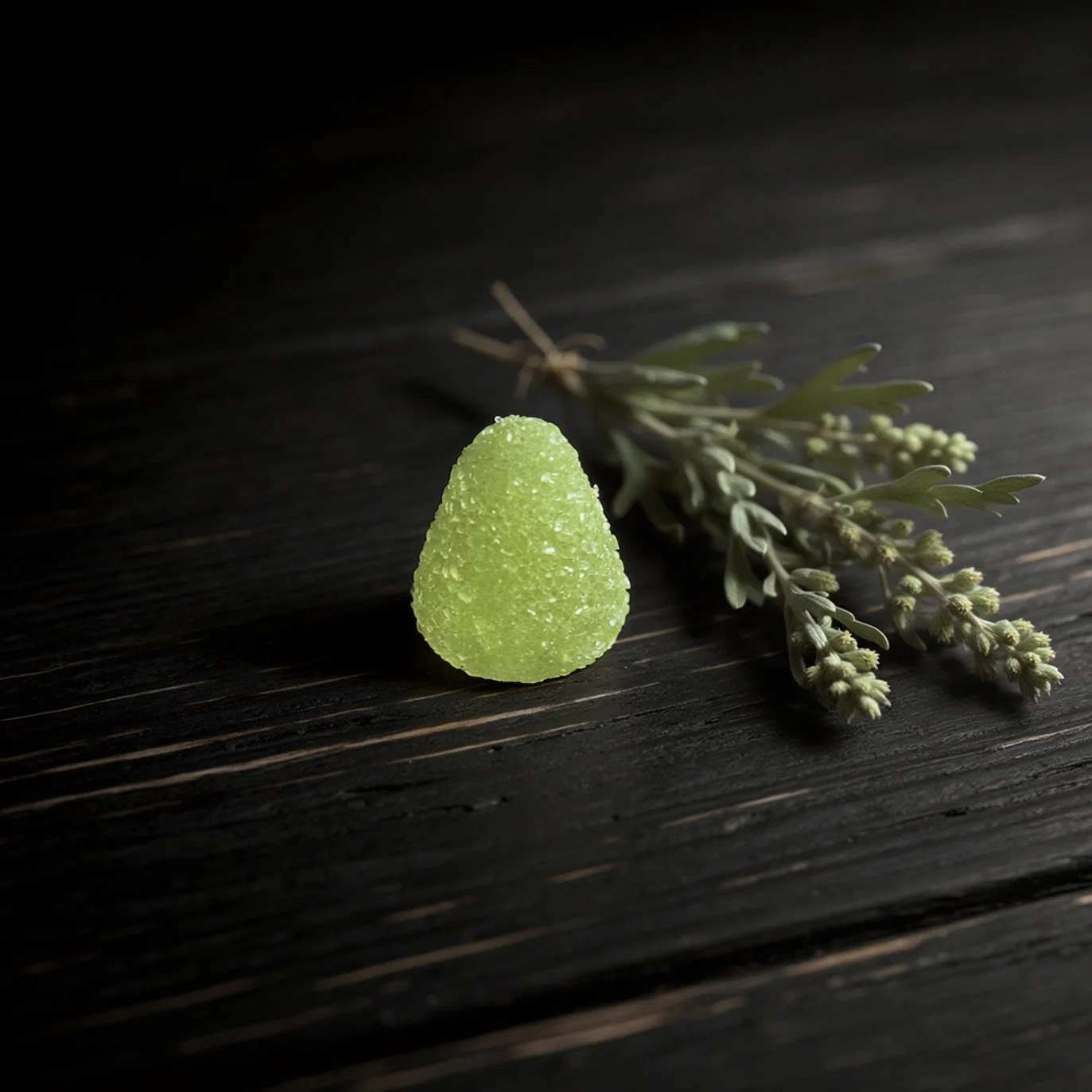
È proprio da questa riflessione che nasce il nostro progetto dedicato alle Erbe Alpine. Stiamo lavorando alla creazione di nuove Gelée, tra cui il Genepì e altre botaniche simbolo di questi territori straordinari. Un lavoro che prende forma attraverso la collaborazione con produttori locali selezionati, realtà che condividono il nostro stesso approccio: rispetto per la materia prima, lavorazioni attente e una profonda connessione con il territorio.
Per noi, ogni nuova creazione è prima di tutto un incontro: con le persone, con i luoghi e con le storie che rendono un ingrediente unico.
Le nostre Gelée alle erbe alpine nascono proprio da qui, dalla volontà di trasformare queste essenze preziose in un’esperienza contemporanea, capace di raccontare le Alpi con autenticità, eleganza e rispetto.
The scent of the Alps: a blend of memory, nature and tradition
Genepì is much more than just a liqueur: it is a liquid tale of the Alps, a symbol of identity spanning centuries of traditions, ancient customs and knowledge handed down with respect. Its intense, balsamic scent, which instantly evokes high altitudes, comes from a blend of rare and precious plants that grow in extreme environments, where time seems to slow down and nature dictates its own rules.
The botanicals of Genepì: rare and precious species
The name ‘Genepì’ refers to several species belonging to the genus Artemisia, the best known of which are Artemisia genipi, Artemisia glacialis and Artemisia umbelliformis. These are wild plants that generally grow at altitudes of between 2,000 and 3,000 metres, on rocky terrain and glacial moraines, where climatic conditions are harsh and vegetation is sparse.
These alpine herbs develop complex and intense aromas precisely because of the environment in which they grow: significant daily temperature variations, strong sunlight and poor soils all contribute to the concentration of unique essential oils in the leaves and flowers, which represent the true richness of Genepì.
Piedmont and the Aosta Valley: regions of choice
Piedmont and the Aosta Valley represent the historic and productive heartland of Genepì. In these regions, the culture surrounding these botanicals is deeply rooted, not only as a gastronomic tradition but also as part of the environmental heritage.
In the Aosta Valley, Genepì is an integral part of the local identity, often produced using artisanal methods handed down from generation to generation. In Piedmont, particularly in the Alpine valleys such as the Susa Valley, the Lanzo Valleys and the Cuneo area, there is a strong presence of both authorised cultivation and producers who work in keeping with tradition.
In recent years, there has been a growing focus on the controlled cultivation of Genepì, a practice that helps to preserve wild species whilst ensuring a consistent and traceable quality of the raw material.
A protected plant: between conservation and responsibility
The appeal of Genepì is inextricably linked to its fragility. For this very reason, wild harvesting is now strictly regulated — and in many cases prohibited — in both Piedmont and the Aosta Valley.
The legislation stems from the need to protect a delicate ecosystem and plant species that would otherwise be at risk of disappearing due to indiscriminate harvesting.
This situation has led to the emergence of a new generation of growers who, with great care and expertise, have begun to cultivate Genepì in controlled environments that remain faithful to natural conditions. It is a patient process, involving selection, care and respect, which yields an authentic raw material without compromising the balance of the Alpine environment.
A new Madama project
It is precisely from this reflection that our project dedicated to Alpine herbs has emerged.
We are working on creating new jellies, including Genepì and other botanicals that symbolise these extraordinary regions. This work is taking shape through collaboration with selected local producers – businesses that share our approach: respect for the raw ingredients, meticulous processing and a deep connection with the local area.
For us, every new creation is first and foremost an encounter: with people, with places and with the stories that make an ingredient unique.
Our Alpine herb jellies stem precisely from this – from the desire to transform these precious essences into a contemporary experience, capable of telling the story of the Alps with authenticity, elegance and respect.