ERBE ALPINE
Erbe alpine: un patrimonio naturale delle nostre montagne
Le erbe alpine sono una delle espressioni più autentiche del territorio montano. Crescono spontaneamente in ambienti spesso difficili e poco accessibili: pendii rocciosi, ghiaioni, pascoli d’alta quota e terreni poveri, caratterizzati da forti escursioni termiche tra il giorno e la notte. In queste condizioni estreme, dove l’acqua è limitata e il vento è costante, solo le specie più resistenti riescono a svilupparsi.
Proprio queste caratteristiche ambientali rendono le piante alpine particolarmente interessanti. Per adattarsi, crescono lentamente e concentrano nelle foglie, nei fiori e nei fusti una grande quantità di oli essenziali e principi aromatici. È questo processo naturale che dà origine a profumi intensi, riconoscibili e spesso complessi, molto diversi rispetto alle stesse specie coltivate a quote più basse.
Questa ricchezza aromatica le rende estremamente versatili. Le erbe alpine trovano infatti impiego nella cucina di montagna, dove aggiungono carattere e profondità ai piatti, ma anche nella tradizione liquoristica, nella preparazione di infusi e tisane e nelle lavorazioni artigianali contemporanee. In ogni utilizzo, mantengono un elemento distintivo: la capacità di raccontare in modo diretto il territorio da cui provengono.
Genepì
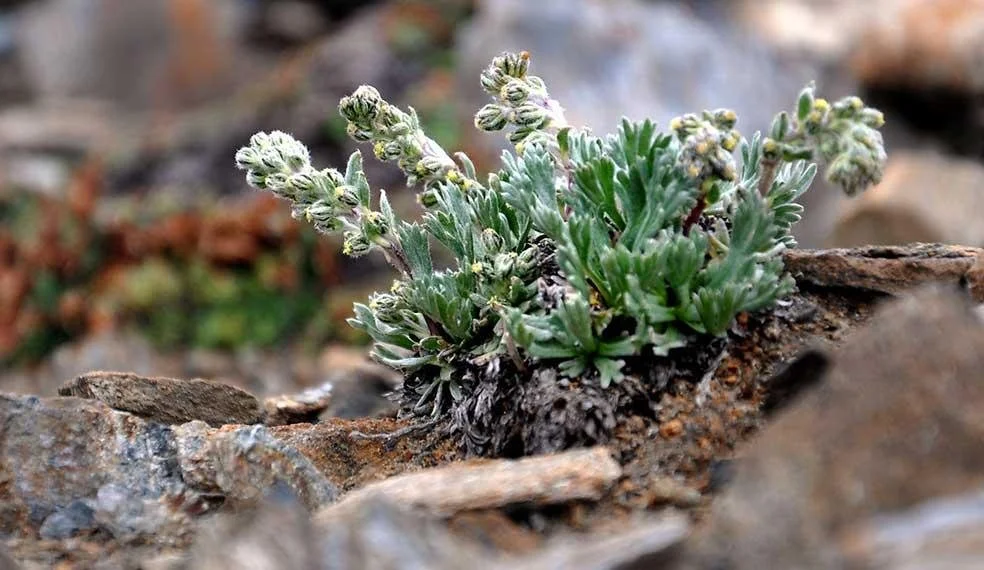
Il Genepì è una delle erbe più rappresentative dell’arco alpino. Appartiene alla famiglia delle Artemisie e cresce oltre i 2.000 metri, in ambienti estremi come ghiaioni e morene. Si riconosce per il suo aspetto compatto e per il colore grigio-argenteo. Il profumo è intenso, balsamico, con una leggera nota amaricante. Tradizionalmente viene utilizzato per la produzione di liquori digestivi, ma oggi trova spazio anche in nuove interpretazioni, sia in ambito gastronomico che dolciario.
Artemisia (Assenzio alpino)
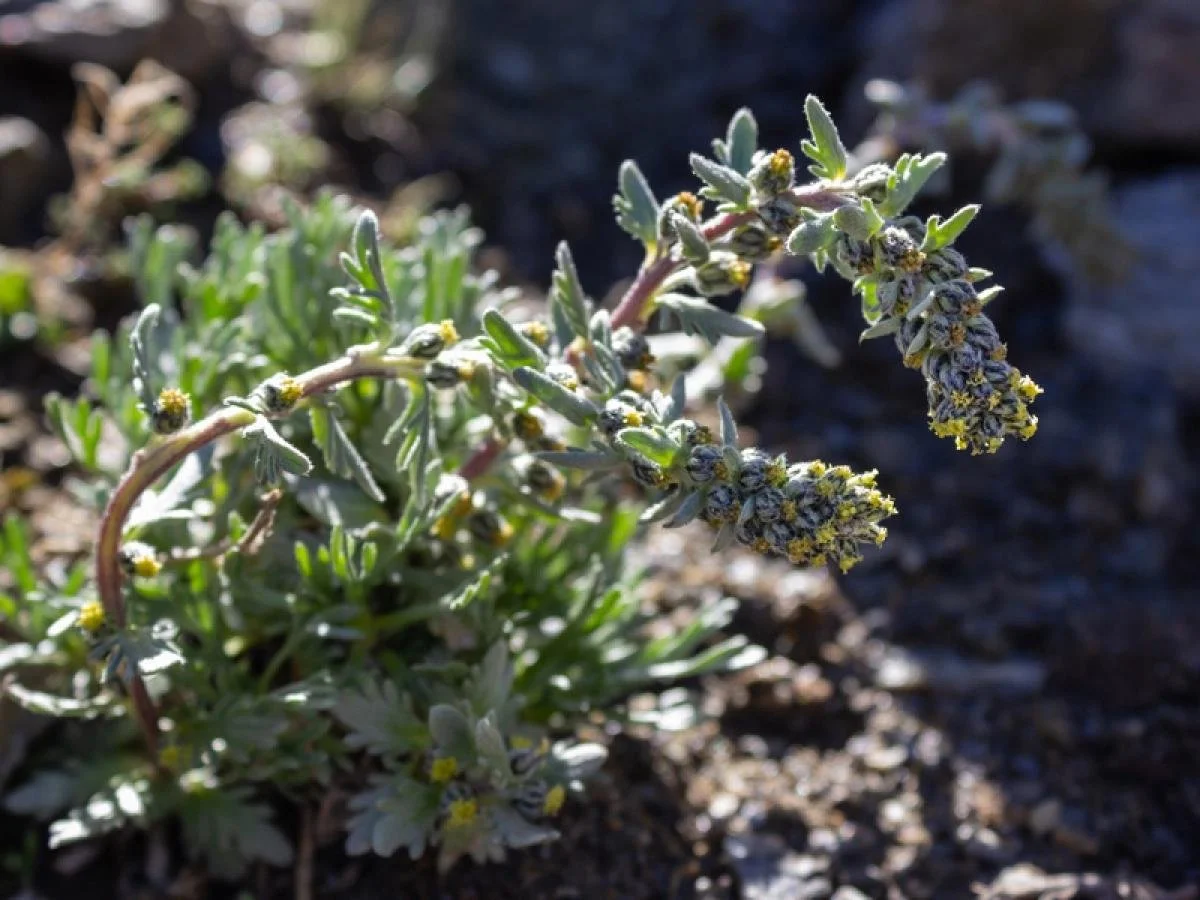
Oltre al Genepì, diverse varietà di Artemisia crescono spontaneamente nell’ambiente alpino, adattandosi a terreni poveri, pendii soleggiati e condizioni climatiche spesso difficili. Tra queste, l’assenzio alpino si distingue per il suo carattere deciso e per il gusto intenso e amaricante. Il suo profilo aromatico è erbaceo, balsamico e persistente, con una nota amara che rimane a lungo al palato. È una delle caratteristiche che ne ha favorito l’utilizzo nella tradizione liquoristica alpina, soprattutto nella preparazione di amari, digestivi e infusi. In ambito artigianale viene utilizzata con attenzione e in piccole quantità, proprio per la sua intensità. Il suo gusto permette di dare struttura e profondità alle preparazioni, creando un interessante contrasto con componenti più dolci e aromatiche.
Achillea
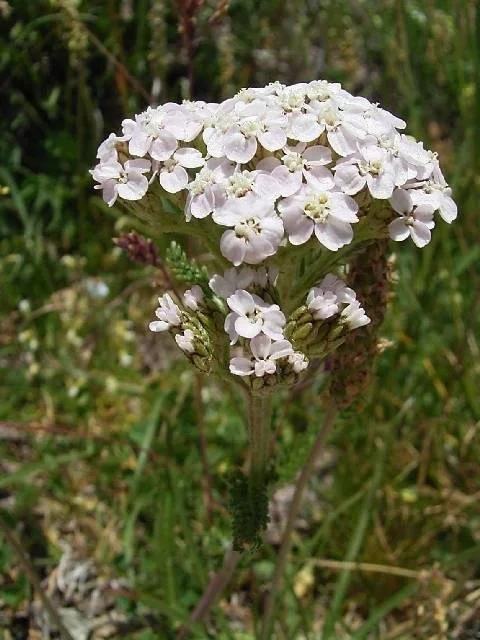
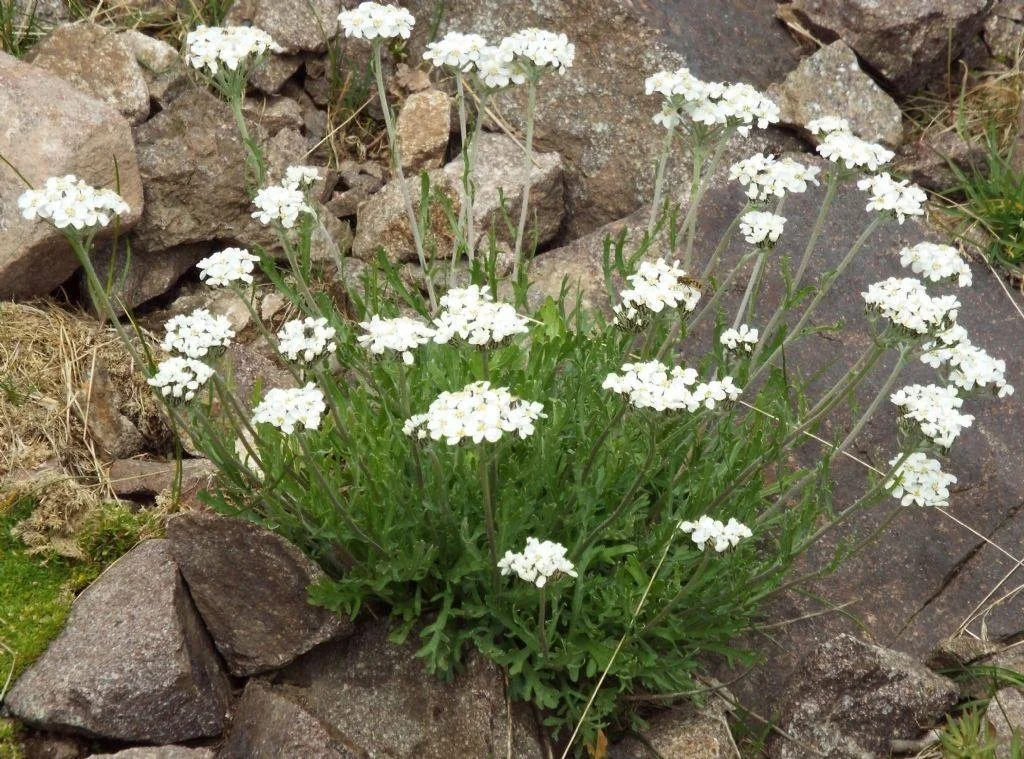
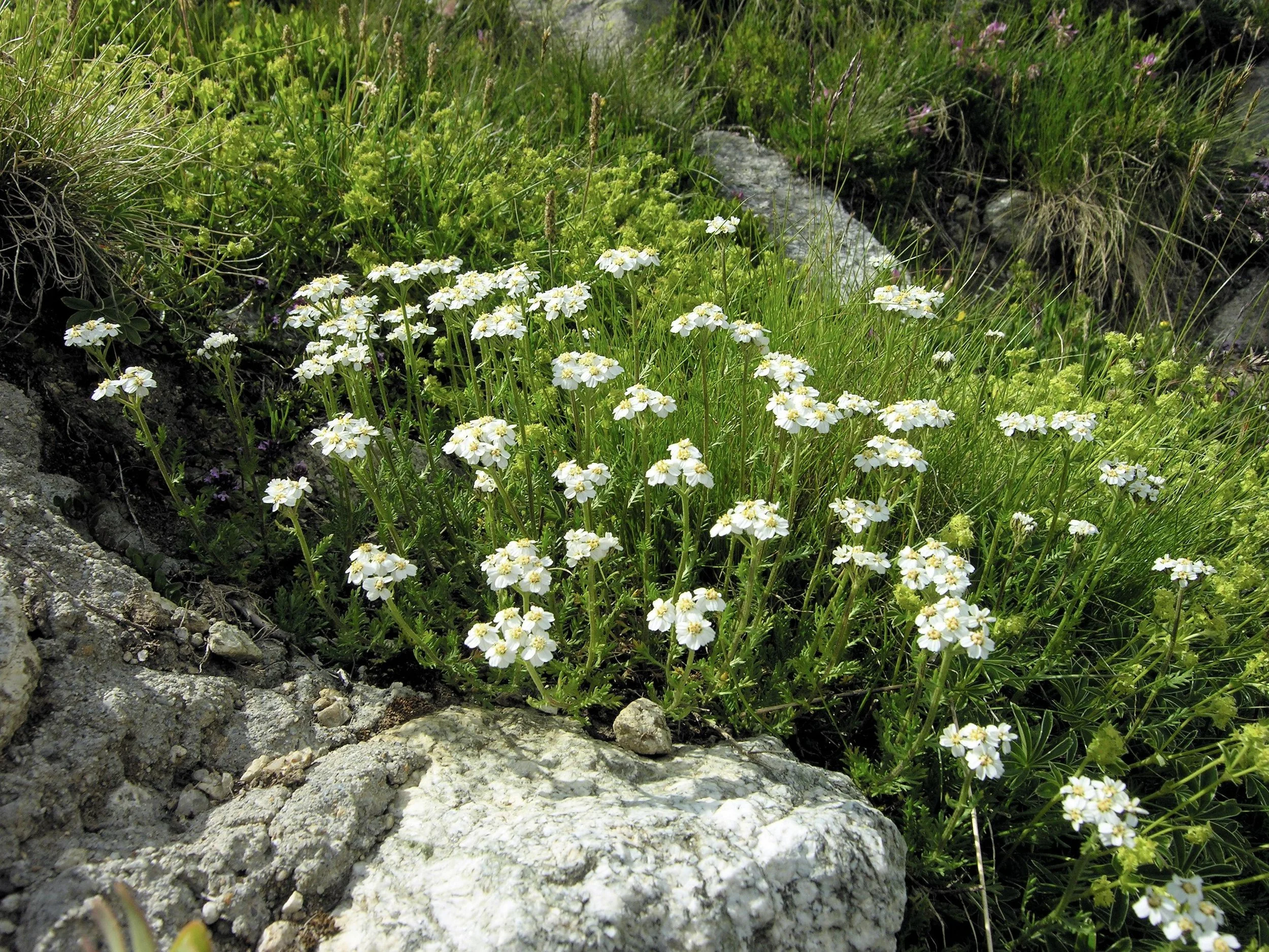
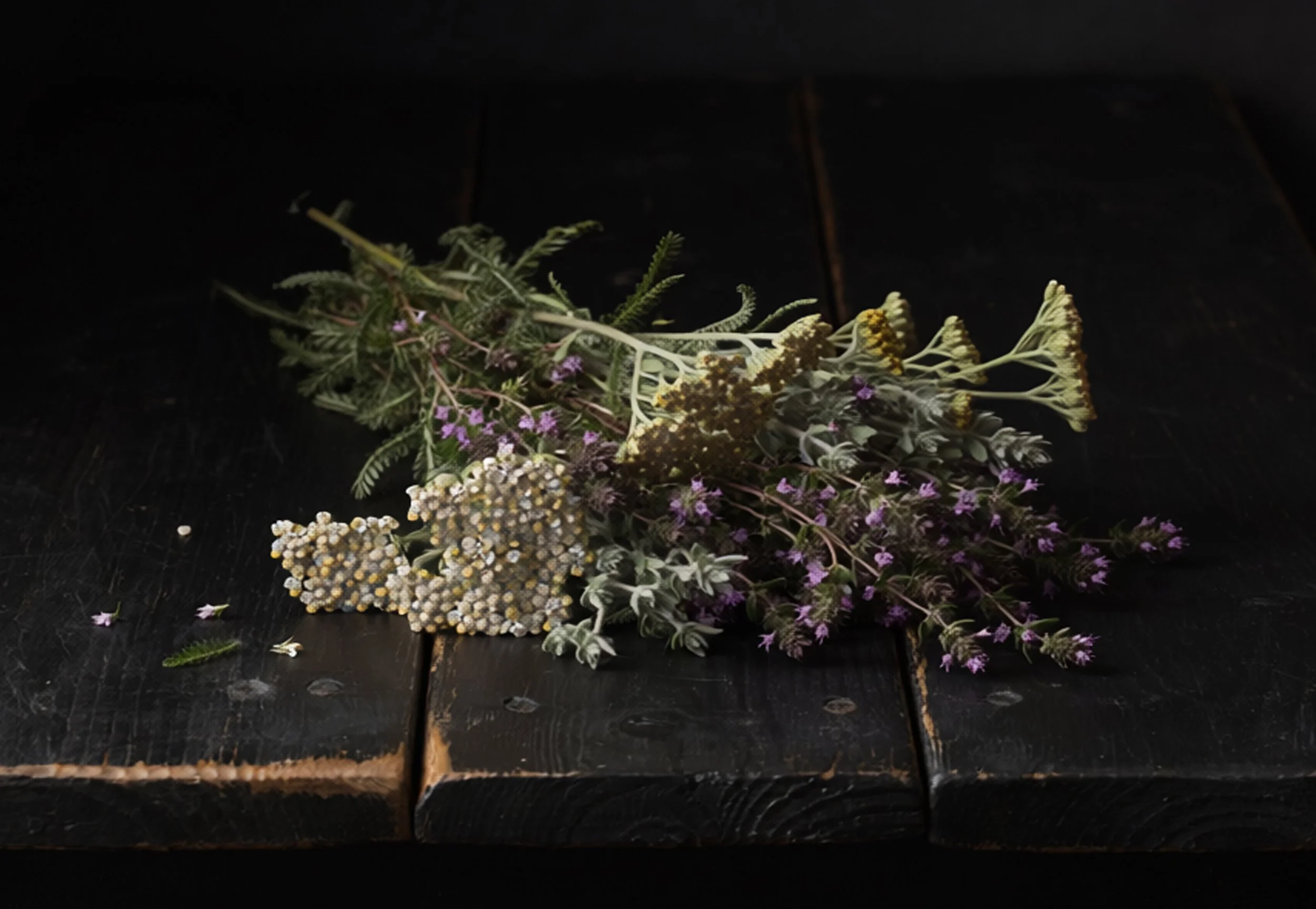
L’Achillea è diffusa in tutto l’ambiente alpino, dai prati ai pendii più esposti, dove cresce anche in condizioni difficili. La varietà alpina è particolarmente aromatica e resistente e si riconosce per le foglie finemente frastagliate e i piccoli fiori chiari raccolti in infiorescenze. Il suo profilo è erbaceo, leggermente amaro, con delicate note floreali e una componente aromatica persistente. È una pianta conosciuta e utilizzata da secoli nella tradizione popolare, soprattutto per infusi e preparazioni liquoristiche. Oggi l’Achillea trova spazio anche nelle produzioni artigianali e gastronomiche, dove il suo carattere viene valorizzato per aggiungere equilibrio, profondità e complessità aromatica. Una botanica discreta ma riconoscibile, capace di portare nel prodotto il carattere autentico delle erbe di montagna.
Timo serpillo
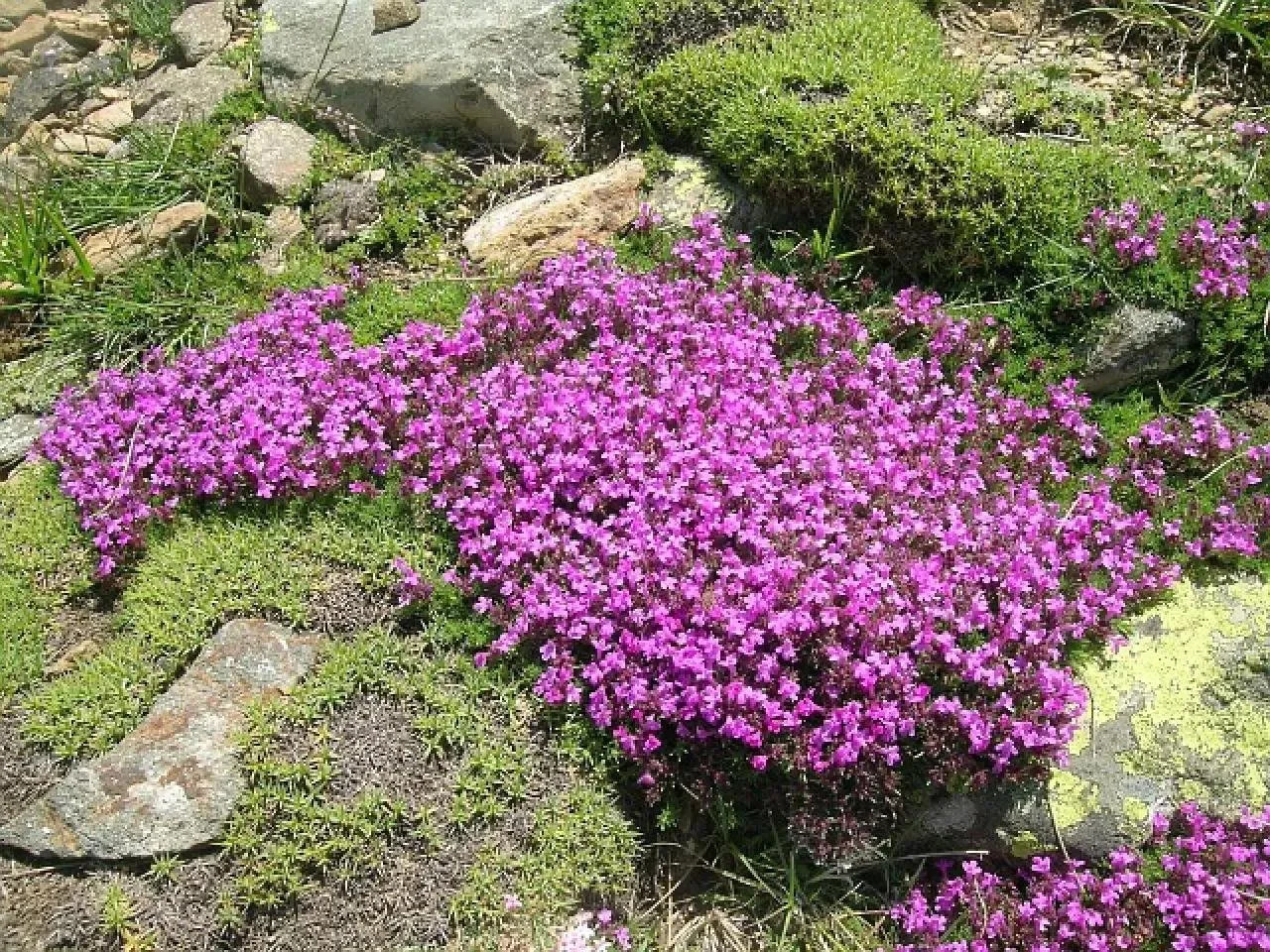
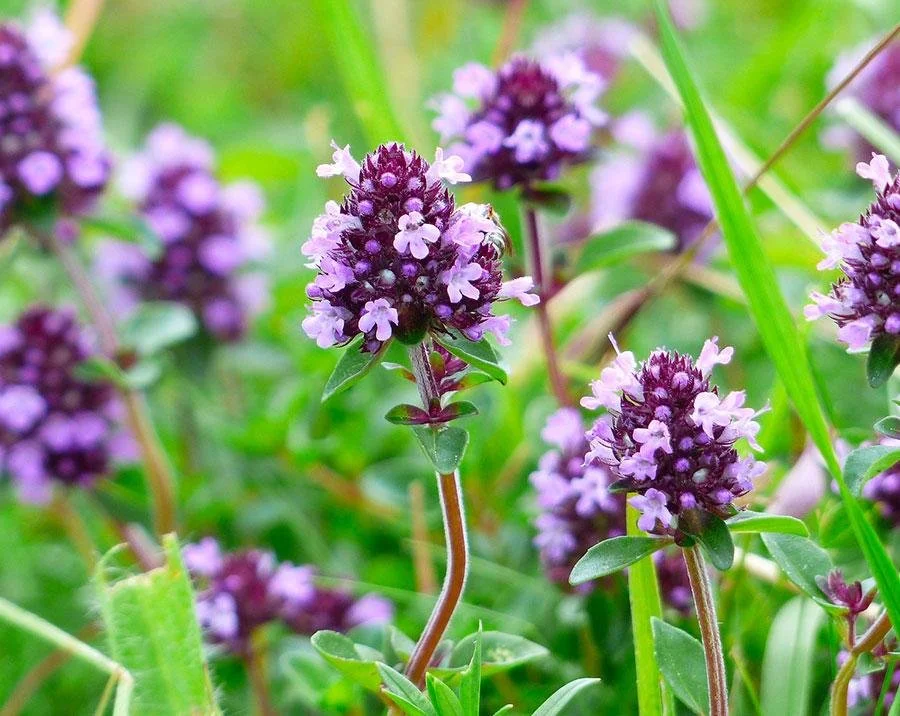
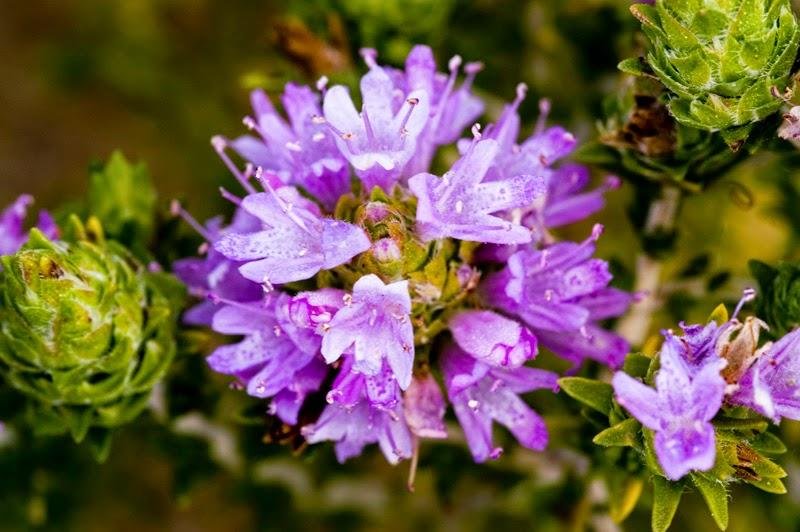
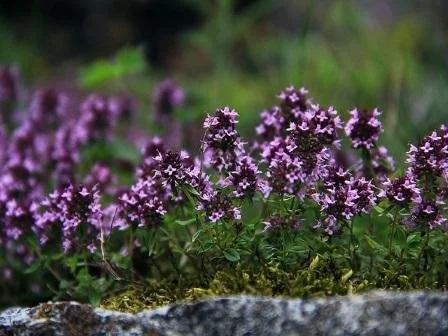
Il timo serpillo cresce basso e si sviluppa in piccoli cespugli nei prati alpini, sui pendii soleggiati e nei terreni poveri e asciutti. Durante la fioritura estiva, i suoi piccoli fiori rosati o violacei creano tappeti colorati e molto profumati, facilmente riconoscibili anche lungo i sentieri di montagna. Il suo aroma è fresco, intenso e leggermente balsamico, con una nota erbacea persistente. È molto utilizzato nella cucina tradizionale, soprattutto per accompagnare carni, formaggi e verdure, ma anche nella preparazione di infusi, tisane e bevande aromatiche. Grazie al suo carattere deciso ma equilibrato, il timo serpillo è particolarmente interessante anche nelle lavorazioni artigianali, dove può contribuire a dare freschezza e personalità a diverse preparazioni.
Sambuco
Il sambuco è diffuso anche nelle zone montane, soprattutto a quote medio-alte, lungo i margini dei boschi, nei pressi di radure e vicino ai corsi d’acqua. I suoi fiori bianchi, raccolti in ampie infiorescenze, sono molto profumati e facilmente riconoscibili, con una fragranza intensa ma equilibrata che richiama note floreali fresche e leggere. Tradizionalmente viene utilizzato per la preparazione di sciroppi, infusi e diverse lavorazioni dolciarie, ma anche per bevande fermentate e preparazioni più contemporanee. Il suo profilo aromatico è delicato, floreale e leggermente mielato, con una componente fresca che lo rende particolarmente versatile.
Rododendro
Il rododendro cresce spontaneamente nelle zone alpine e subalpine, soprattutto sui pendii e nei pascoli di montagna, dove forma ampie macchie verdi che durante la fioritura si colorano di rosa e rosso. È una delle piante più caratteristiche del paesaggio alpino e facilmente riconoscibile per i suoi fiori vistosi. I fiori hanno un profilo aromatico delicato e floreale, con note leggere e raffinate. Nella tradizione alpina il rododendro è conosciuto soprattutto per il suo legame con l’apicoltura: il nettare dei suoi fiori contribuisce alla produzione di mieli dal carattere particolare. Il suo utilizzo in ambito alimentare richiede però attenzione, perché non tutte le parti della pianta sono adatte al consumo. Per questo, quando viene impiegato in preparazioni e lavorazioni, è importante utilizzare esclusivamente materie prime idonee e provenienti da filiere controllate.
Melissa
La melissa è una pianta aromatica che cresce spontaneamente anche nelle aree montane, soprattutto in zone fresche e parzialmente ombreggiate, ai margini dei boschi o nei pressi di terreni umidi. Le sue foglie verdi, morbide e leggermente dentellate sprigionano un profumo immediatamente riconoscibile, con note fresche e agrumate che ricordano il limone. È una pianta apprezzata da secoli per le sue proprietà aromatiche e per il suo profilo delicato. Viene utilizzata principalmente nella preparazione di infusi e tisane, ma trova spazio anche in cucina, dove può essere impiegata per aromatizzare dessert, sciroppi e preparazioni leggere. Il suo gusto è morbido, fresco e leggermente citrino, senza essere invadente. Proprio questa sua delicatezza la rende particolarmente interessante nelle lavorazioni contemporanee, dove è possibile valorizzarne la componente fresca senza coprire gli altri ingredienti. La melissa contribuisce a creare profili aromatici equilibrati, aggiungendo una nota pulita e naturale che richiama immediatamente la sensazione di erbe appena raccolte.
Genziana
La genziana è una delle piante simbolo dell’ambiente alpino, diffusa soprattutto nei pascoli d’alta quota e nei terreni aperti e soleggiati. Cresce lentamente in condizioni difficili, sviluppando radici profonde e robuste, che rappresentano la parte più utilizzata della pianta. I suoi fiori, di un blu intenso o giallo brillante a seconda della specie, sono facilmente riconoscibili e contribuiscono a caratterizzare il paesaggio montano. Ciò che rende la genziana particolarmente interessante è il suo profilo aromatico deciso. La radice contiene sostanze amare molto concentrate, che danno origine a un gusto intenso, persistente e distintivo. È proprio questa caratteristica che la rende protagonista nella tradizione liquoristica alpina, dove viene utilizzata per la produzione di amari, digestivi e infusi. Accanto all’uso più tradizionale, la genziana trova spazio anche in lavorazioni contemporanee, dove l’amaro viene dosato con attenzione per creare equilibrio e complessità. Il suo profilo, se ben calibrato, aggiunge profondità e struttura, offrendo una nota contrastante che valorizza componenti più dolci o aromatiche. È una pianta dal carattere forte, capace di definire in modo netto il risultato finale.
La raccolta delle erbe alpine
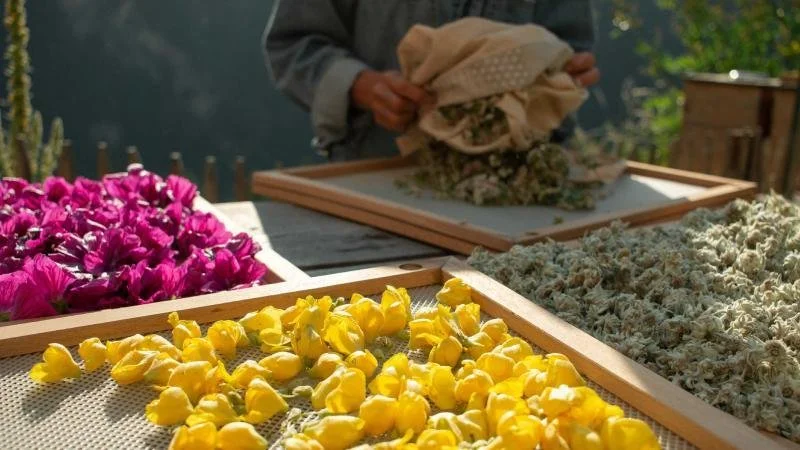
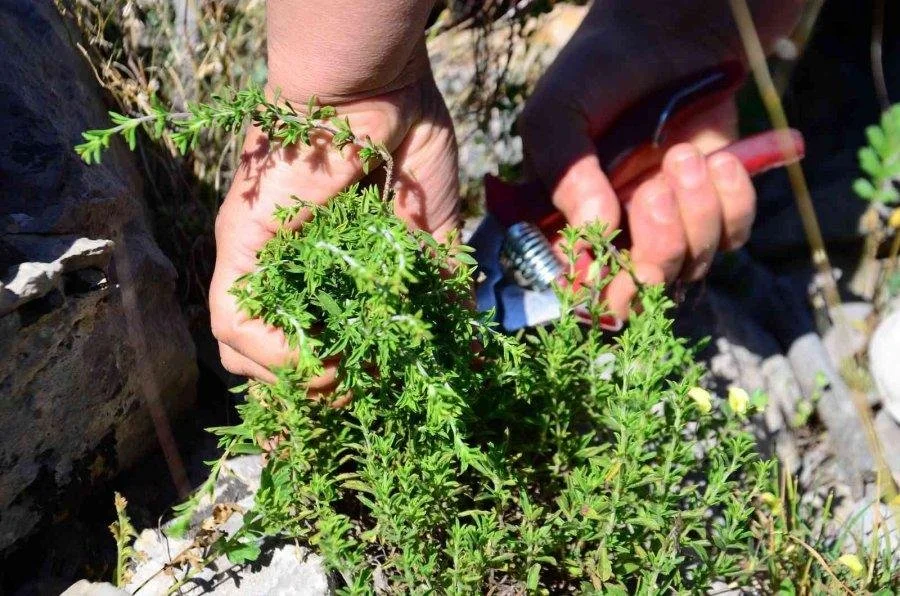
richiede conoscenza, attenzione e rispetto per l’ambiente. Accanto alla raccolta spontanea, sempre più importante è il lavoro dei piccoli produttori che coltivano queste piante seguendo tempi e metodi rispettosi della natura.
Sono coltivazioni spesso di piccole dimensioni, curate con pazienza e attenzione, dove la conoscenza del territorio e dei suoi ritmi passa da una generazione all’altra. Un lavoro che permette di ottenere materie prime di qualità, garantendo al tempo stesso continuità e maggiore tutela delle specie spontanee più delicate. Dietro ogni erba coltivata in questo modo c’è quindi molto più di una semplice produzione: c’è il lavoro di una persona, il rispetto per la montagna e la volontà di mantenere vivo un patrimonio che appartiene al territorio.
Per MADAMA, scegliere una botanica non significa semplicemente acquistare un ingrediente. Significa conoscere chi la produce, visitare i luoghi dove nasce, entrare nei laboratori e capire i procedimenti e il lavoro che ci sono dietro.
Ci piace incontrare i produttori delle nostre zone, ascoltare le loro storie e costruire nel tempo rapporti basati su rispetto e fiducia. Non semplici fornitori, quindi, ma persone con cui condividere esperienze e progetti, rapporti che spesso si trasformano in autentiche amicizie.
È anche da queste relazioni che nascono le nostre Gelée: botaniche selezionate per il loro carattere e il loro legame con il territorio, poi lavorate nel nostro laboratorio per conservarne e valorizzarne il più possibile profumi e identità.
Valorizzare il territorio significa soprattutto conoscere le persone che lo vivono e lo fanno vivere
Alpine herbs: a natural heritage of our mountains
Alpine herbs are one of the most authentic expressions of the mountain environment. They grow wild in often harsh and inaccessible habitats: rocky slopes, scree slopes, high-altitude pastures and poor soils, characterised by significant temperature fluctuations between day and night. In these extreme conditions, where water is scarce and the wind is constant, only the hardiest species manage to thrive.
It is precisely these environmental characteristics that make alpine plants particularly interesting. To adapt, they grow slowly and concentrate large quantities of essential oils and aromatic compounds in their leaves, flowers and stems. It is this natural process that gives rise to intense, recognisable and often complex fragrances, very different from those of the same species grown at lower altitudes.
This aromatic richness makes them extremely versatile. Alpine herbs are used in mountain cuisine, where they add character and depth to dishes, but also in traditional liqueur-making, in the preparation of infusions and herbal teas, and in contemporary artisanal crafts. In every application, they retain a distinctive feature: the ability to directly reflect the territory from which they originate.
Genepì
Genepì is one of the most characteristic herbs of the Alps. It belongs to the Artemisia family and grows at altitudes of over 2,000 metres, in extreme environments such as scree slopes and moraines. It is recognisable by its compact appearance and silvery-grey colour. Its aroma is intense and balsamic, with a slight bitter note. It is traditionally used in the production of digestive liqueurs, but today it is also finding its way into new applications, both in gastronomy and confectionery.
Artemisia (Alpine wormwood)
In addition to Genepì, various varieties of Artemisia grow wild in the Alpine environment, adapting to poor soils, sunny slopes and often harsh climatic conditions. Among these, Alpine wormwood stands out for its bold character and intense, bitter flavour. Its aromatic profile is herbaceous, balsamic and persistent, with a bitter note that lingers on the palate. This is one of the characteristics that has made it a favoured ingredient in traditional Alpine liqueur-making, particularly in the preparation of bitters, digestifs and infusions. In artisanal production, it is used sparingly and in small quantities, precisely because of its intensity. Its flavour lends structure and depth to the preparations, creating an interesting contrast with sweeter and more aromatic components.
Yarrow
Yarrow is widespread throughout the Alpine region, from meadows to the most exposed slopes, where it grows even in harsh conditions. The Alpine variety is particularly aromatic and hardy, and can be recognised by its finely serrated leaves and small, pale flowers clustered in inflorescences. It has a herbaceous flavour, slightly bitter, with delicate floral notes and a lingering aromatic quality. It is a plant that has been known and used for centuries in folk tradition, particularly for herbal teas and liqueurs. Today, yarrow also features in artisanal and gastronomic products, where its character is harnessed to add balance, depth and aromatic complexity. A subtle yet recognisable botanical ingredient, capable of bringing the authentic character of mountain herbs to the product.
Wild thyme
Wild thyme grows low to the ground and forms small bushes in alpine meadows, on sunny slopes and in poor, dry soil. During its summer flowering period, its small pinkish or purplish flowers create colourful, highly fragrant carpets, easily recognisable even along mountain paths. Its aroma is fresh, intense and slightly balsamic, with a lingering herbaceous note. It is widely used in traditional cuisine, particularly to accompany meat, cheese and vegetables, but also in the preparation of infusions, herbal teas and aromatic drinks. Thanks to its bold yet balanced character, wild thyme is also particularly well-suited to artisanal products, where it can help lend freshness and character to a variety of preparations.
Elderberry
Elderberry is also widespread in mountainous areas, particularly at medium to high altitudes, along the edges of woods, near clearings and close to watercourses. Its white flowers, clustered in large inflorescences, are highly fragrant and easily recognisable, with an intense yet balanced fragrance that evokes fresh, light floral notes. It is traditionally used in the preparation of syrups, infusions and various confectionery products, as well as in fermented drinks and more contemporary creations. Its flavour profile is delicate, floral and slightly honeyed, with a fresh quality that makes it particularly versatile.
Rhododendron
The rhododendron grows wild in alpine and subalpine areas, particularly on mountain slopes and in mountain pastures, where it forms extensive green thickets that turn pink and red during the flowering season. It is one of the most characteristic plants of the alpine landscape and is easily recognisable by its striking flowers. The flowers have a delicate, floral aroma, with light and refined notes. In Alpine tradition, the rhododendron is known above all for its connection with beekeeping: the nectar from its flowers contributes to the production of honeys with a distinctive character. However, its use in food requires care, as not all parts of the plant are suitable for consumption. For this reason, when used in recipes and food processing, it is important to use only suitable raw materials sourced from controlled supply chains.
Lemon balm
Lemon balm is an aromatic plant that grows wild even in mountainous areas, particularly in cool, partially shaded spots, on the edges of woods or near damp ground. Its soft, green, slightly serrated leaves give off an instantly recognisable scent, with fresh, citrusy notes reminiscent of lemon. It is a plant that has been prized for centuries for its aromatic properties and delicate profile. It is mainly used in the preparation of infusions and herbal teas, but also finds a place in the kitchen, where it can be used to flavour desserts, syrups and light dishes. Its flavour is mellow, fresh and slightly citrusy, without being overpowering. It is precisely this delicacy that makes it particularly appealing in contemporary recipes, where its freshness can be highlighted without overpowering the other ingredients. Lemon balm helps to create balanced flavour profiles, adding a clean, natural note that immediately evokes the sensation of freshly picked herbs.
Gentian
The gentian is one of the plants symbolic of the Alpine environment, found mainly in high-altitude pastures and on open, sunny terrain. It grows slowly in harsh conditions, developing deep, sturdy roots, which are the most widely used part of the plant. Its flowers, which are deep blue or bright yellow depending on the species, are easily recognisable and help to characterise the mountain landscape. What makes gentian particularly interesting is its pronounced aromatic profile. The root contains highly concentrated bitter compounds, which give rise to an intense, persistent and distinctive flavour. It is precisely this characteristic that makes it a key ingredient in the Alpine liqueur-making tradition, where it is used in the production of bitters, digestifs and infusions. Alongside its more traditional uses, gentian also features in contemporary recipes, where the bitterness is carefully measured to create balance and complexity. When well-balanced, its profile adds depth and structure, offering a contrasting note that enhances sweeter or more aromatic components. It is a plant with a strong character, capable of clearly defining the final result.
The harvesting of alpine herbs requires knowledge, care and respect for the environment. Alongside wild harvesting, the work of small-scale producers who cultivate these plants using methods and timings that respect nature is becoming increasingly important.
These are often small-scale farms, tended with patience and care, where knowledge of the local area and its rhythms is passed down from one generation to the next. This approach yields high-quality raw materials, whilst ensuring continuity and greater protection for the most delicate wild species. Behind every herb cultivated in this way, therefore, lies much more than mere production: there is a person’s labour, respect for the mountains and a desire to keep alive a heritage that belongs to the local area.
For MADAMA, choosing a botanical ingredient does not simply mean purchasing an ingredient. It means getting to know who produces it, visiting the places where it grows, entering the workshops and understanding the processes and the work that go into it.
We enjoy meeting local producers, listening to their stories and building relationships over time based on respect and trust. They are not simply suppliers, then, but people with whom we share experiences and projects – relationships that often develop into genuine friendships.
It is also from these relationships that our jellies are born: botanicals selected for their character and their connection to the local area, then processed in our workshop to preserve and enhance their aromas and identity as much as possible.
Promoting the local area means, above all, getting to know the people who live there and bring it to life.